No Last Call: What Happens to a Nation That Gambles at 2 A.M.
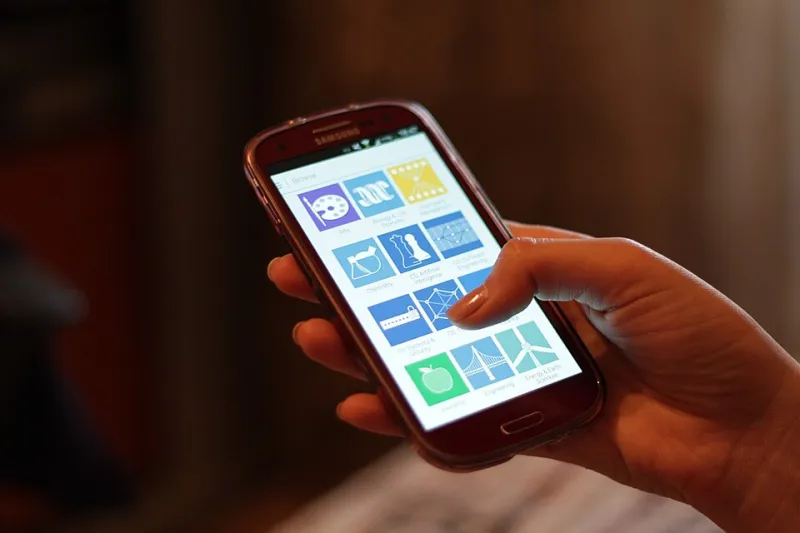
Photo: Océanos y dados, CC0, via Wikimedia Commons
There's a reason every casino in Las Vegas has no windows and no clocks. The environment is engineered to erase time, because a player who doesn't know it's 2 a.m. is a player who keeps betting. For a century, that trick required a plane ticket and a comped room.
Now it requires a phone. And here's my problem with that: the old casino at least had a parking lot. The walk to your car was a decision point. The drive home was a cooling-off period your brain badly needed. Modern online gaming has deleted the exit, and we're only beginning to understand what that costs.
The 2 A.M. Player Is Not the Daytime Player
Ask anyone who works in problem gambling support: the calls don't come in at noon. They come in overnight. Late-night play has a distinct psychological fingerprint — fatigue, isolation, and impaired judgment all stack on top of each other.
Sleep deprivation degrades exactly the cognitive functions betting requires: risk assessment, impulse control, the ability to accept a loss and stop. Studies on decision-making consistently show that tired people take bigger risks with less deliberation. Combine that with the dopamine loops of slots-style games and live betting, and the 2 a.m. session becomes the most dangerous session of the day.
There's also the loneliness factor. The overnight gambler is often alone in a dark room, and gambling apps are designed to fill that silence — notifications, streaks, bonuses that "expire soon." It's a relationship dynamic, not a entertainment choice, and it's a lot easier to exploit someone at 2 a.m. than at a crowded table at 8 p.m.
The Numbers We're Not Talking About
Here's a stat worth sitting with: in markets that have tracked it, a meaningful share of online gambling revenue — by some industry analyses, a large majority — comes from a small fraction of players, and those heavy players are disproportionately active in overnight hours. The business model of the always-open casino is, in large part, the sleepless player.
Land-based casinos in the US at least operate under state-by-state patchworks of hours, licensing, and physical presence. Online platforms — especially the offshore books many Americans actually play on — face no last call at all. No bartender cutting you off. No closing announcement. Just an infinite lobby, one tap away, at any hour, funded in crypto at 3 a.m. if you like.
Should the Industry Ever Turn the Lights Off?
I don't think it's crazy to say yes. Some regulators already think so. Several European markets have experimented with mandatory cool-off periods, deposit limits that tighten overnight, or slot machine shutdown windows — early evidence suggests late-night loss rates drop when the games do. US state regulators have mostly punted, and offshore operators certainly aren't volunteering.
The industry's counterargument is autonomy: adults should be free to play at midnight if they want. Fine — I'm sympathetic to that in principle. But autonomy requires an awake brain, and the product is specifically designed to be used when yours isn't. A "responsible gaming" page buried three menus deep is not a substitute for friction. Friction is exactly what the 2 a.m. player needs and exactly what the product eliminates.
What You Can Do Tonight
Until regulation catches up, the burden falls on the player, which is unfair but true. A few rules that actually work:
- Set a hard cutoff — app-level locks, not willpower. Most platforms offer session limits; use the ones that require a cooling-off period to reverse.
- Never gamble in bed. The phone-in-the-dark session is the highest-risk session there is.
- Treat overnight losses as a signal, not a streak to chase. The 2 a.m. brain that wants one more deposit is not a reliable advisor.
- Ask yourself who benefits when a "bonus" notification arrives at midnight. The answer is never you.
The casino never closing sounded like freedom. It might be the opposite — a door that only locks from the outside, and you're the one holding the phone. The least the industry owes its players is a light switch. Right now, it won't even tell you where it is.