Rigged in Real Time: How Live Betting Platforms Quietly Move the Line the Moment You Get an Edge
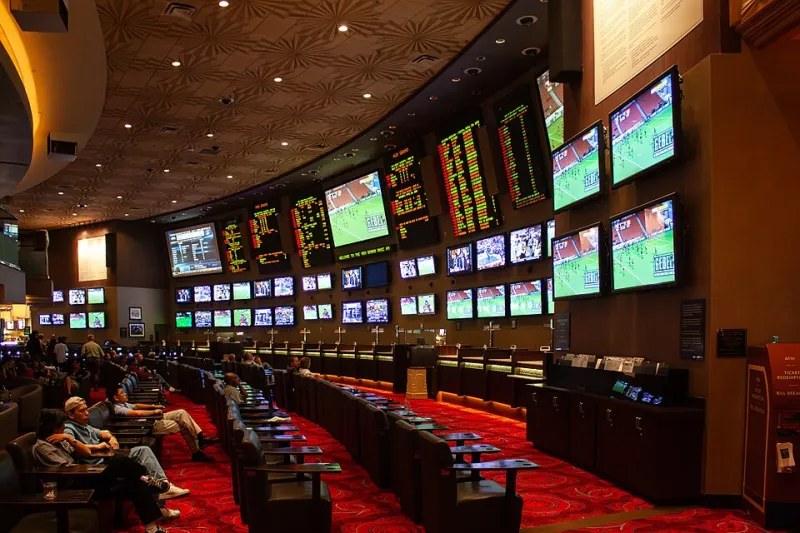
Photo: Chad Davis, CC BY 2.0, via Wikimedia Commons
You've done your homework. You watched the first quarter, spotted something the market hasn't priced in yet, and you move fast. You pull up the live betting interface, see a number you like, hit confirm — and suddenly the line has shifted. Not by a little. By exactly enough to make the bet less valuable.
Coincidence? Maybe once. But if you've been live betting seriously for any length of time, you've probably noticed it happens more than randomness would suggest. There's a reason for that, and it has everything to do with the technology running underneath the surface of every major online sportsbook.
What Live Betting Actually Is (Under the Hood)
On the surface, live betting looks simple: odds update in real time as a game unfolds, and you can wager at any point. What most casual bettors don't realize is that those odds aren't being set by some guy in a back office watching the game. They're generated by automated pricing engines — algorithmic systems that ingest a firehose of data including score, possession, player tracking, historical patterns, and market behavior — and spit out prices dozens of times per second.
These systems are genuinely impressive from a technical standpoint. The major platforms license or build proprietary models that can process in-game momentum shifts faster than any human trader ever could. But here's the thing: the same infrastructure that makes live betting fast also makes it reactive — specifically reactive to you.
The Account Flagging Problem
Most serious bettors already know that sportsbooks profile their accounts. Win too consistently, and you get limited. But what's less understood is how that profiling feeds directly into real-time odds adjustments.
When a flagged account — or any account exhibiting patterns associated with sharp behavior — submits a live bet request, many platforms don't just process it. They run it through a risk filter first. That filter checks bet size, account history, the specific market being targeted, and timing. If enough red flags trigger, the system can delay your confirmation window, reprice the bet before you confirm, or simply reject it.
The delay is the sneaky part. A half-second pause while the system "processes" your bet request is all it takes to move the line. You see -110, you click, and by the time the confirmation screen appears, it's -130. The price you acted on is gone. This isn't a glitch — it's a feature.
Timing Anomalies and What the Data Suggests
A handful of independent researchers and betting communities have started documenting what they call "latency asymmetry" — the observation that bet confirmations take measurably longer for accounts with winning histories, particularly during live markets. The pattern is consistent enough that some sharp bettors have started logging their own confirmation times and cross-referencing them with account profitability.
The data isn't exactly leaked so much as it's observable if you know what to look for. Accounts that are fresh, small, or historically unprofitable tend to get near-instant confirmations. Accounts that have extracted value over time experience friction — delays, repricing, or outright rejection — at statistically higher rates.
None of this is publicly acknowledged by the platforms. The terms of service language around "odds subject to change" gives them all the legal cover they need. But the pattern is real, and the technology to implement it has existed for years.
The Arms Race No One Talks About
On the other side of this equation are the professional bettors and betting syndicates who have essentially built counter-technologies to fight back. We're talking about VPN rotation, account networks, bet timing randomization, and even custom software designed to submit wagers at the exact moment odds refresh — before the risk engine can react.
This is genuinely a technological arms race, and it's happening at a scale most recreational bettors never see. The syndicates get more sophisticated, the platforms tighten their detection, and the cycle continues. The average Sunday bettor sitting on the couch wagering on the Chiefs game is essentially a bystander in a conflict between two sets of algorithms.
The irony is that the recreational bettor's action is actually what the books want. It's the sharp money they're trying to filter out — and the systems designed to do that filtering inevitably create friction for anyone who gets too good.
What This Means for You
If you're betting live casually, the algorithmic infrastructure mostly isn't targeting you specifically — yet. But understanding it changes how you should think about the product you're using.
A few practical observations worth keeping in mind:
Bet size matters more than you think. Jumping from $50 bets to $500 bets on the same account, in the same market, will get you noticed faster than almost anything else.
Timing patterns matter. Consistently betting immediately after a key game event — before the market has fully adjusted — is one of the clearest signals of sharp behavior. The books know this.
Platform selection matters. Not all sportsbooks use the same risk management infrastructure. Some are more aggressive about repricing than others. Knowing which platforms are more recreational-friendly versus which ones are running tight algorithmic controls is genuinely useful information.
At KrakenBet, we think bettors deserve to understand the actual mechanics of the games they're playing. The house always has an edge — that's not a secret. But how that edge gets enforced in real time, through technology most players never think about, is worth understanding before you put serious money into a live market.
The odds you see aren't always the odds you get. Now you know why.