From Bad Beats to Battle Cries: How Betting Legends Become the Soul of Online Gambling Culture
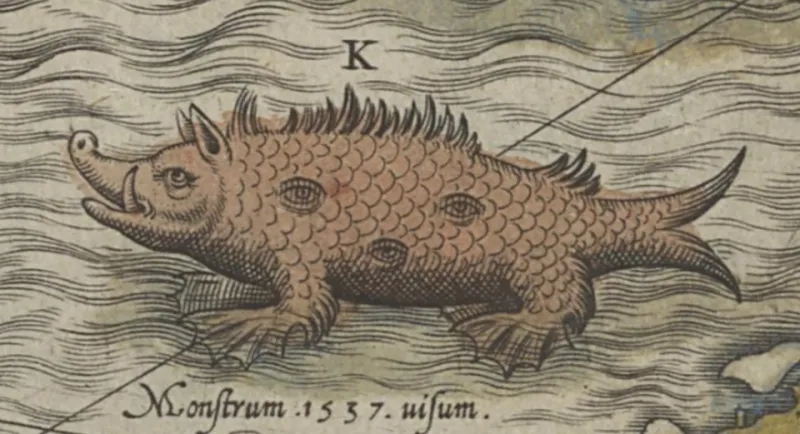
Photo: Olaus Magnus, Public domain, via Wikimedia Commons
Every serious bettor has heard at least one story so wild it sounds impossible. A 20-leg parlay that somehow hit. A player who lost a life-changing sum on a last-second field goal that never should have been called. A streak so hot it defied every probability model known to man. These tales have taken on a life of their own, spreading through forums and Discord servers like modern myths passed down around a campfire.
At KrakenBet, we've always believed that the culture surrounding betting is just as fascinating as the bets themselves. So let's dig into why these stories exist, how they spread, and what they quietly do to the way you actually wager.
The Ancient Art of the Gambling Story
Humans have been telling stories about luck, fate, and fortune since long before sportsbooks existed. The Norse mythology behind our own brand—the mighty Kraken, lurking beneath the surface, capable of dragging ships to the deep or letting them pass unharmed—captures something real about the gambling experience. You never quite know what's waiting beneath the water.
That same uncertainty is what makes betting stories so compelling. Unlike a sports highlight reel, a great gambling legend lives in the gray zone between documented fact and embellished memory. The story of Archie Karas, who turned $50 into over $40 million in Las Vegas during the 1990s before losing it all, is one of the few that's actually well-documented. Most aren't. Most grow in the retelling, picking up detail and drama the way a snowball picks up mass rolling downhill.
And that's not a flaw in the storytelling. It's the whole point.
The Forum Effect: Where Legends Are Born
Before Reddit threads and Discord servers, betting stories lived in smoky sportsbooks and late-night poker rooms. Now they go viral. A bad beat posted to r/sportsbook at 11 PM can have 10,000 upvotes by morning and a dozen copycat threads by the weekend.
The internet didn't just accelerate the spread of these stories—it changed their DNA. Online, a legend needs to be shareable, which means it needs a hook. The more outrageous the circumstance, the more it gets passed along. A guy who lost a parlay because a kicker missed a 20-yard chip shot in a meaningless Week 17 game? That's a meme within 24 hours. A player who hit a 12-team parlay because of a last-second garbage-time touchdown? That screenshot gets pinned to community walls like a trophy.
What's interesting is how rarely anyone checks the receipts. Screenshots can be edited. Odds can be misremembered. The "I swear this is real" caveat does almost nothing to slow the story down. The community wants to believe, because believing in the impossible win keeps the dream alive.
What These Myths Actually Do to Your Brain
Here's where things get genuinely interesting from a psychology standpoint. Research into narrative cognition—how stories shape decision-making—suggests that hearing about extreme outcomes changes our internal probability estimates in ways that pure statistics never could.
When you read about someone hitting a 500-to-1 parlay, your brain doesn't file it under "extremely rare event." It files it under "things that happen to real people." That's a meaningful distinction. It's the same reason lottery ticket sales spike after a big jackpot winner is publicized—not because the odds improved, but because the story made the outcome feel real and accessible.
In betting communities, this plays out constantly. The legendary bad beat becomes a cautionary tale, yes, but also weirdly aspirational. If someone could lose that spectacularly, the logic goes, someone could win just as spectacularly. The two sides of the same mythological coin.
Sharp bettors—the ones treating this like a long-term discipline rather than a thrill ride—tend to be more resistant to this effect. They've trained themselves to think in expected value, not narrative arcs. But even the sharpest players aren't fully immune to a great story.
Separating the Verified from the Vaporware
Some legends have paper trails. The MIT Blackjack Team's card-counting operation is well-documented—there are books, a movie, and enough primary sources to fill a library. Billy Walters' decades-long run as one of the most successful sports bettors in American history? Confirmed, investigated by the FBI, and eventually the subject of a federal trial.
But for every verified legend, there are a hundred stories circulating in Discord servers that nobody can actually trace back to a real person, a real bet slip, or a real payout. The "guy who turned $200 into $80,000 on a single night" story exists in at least forty different versions across the internet, each with slightly different numbers and slightly different games.
The honest answer is that it doesn't matter to the community whether the story is true. What matters is what it represents—the possibility of transformation, the idea that a single night or a single bet could rewrite your financial reality. That's mythology doing exactly what mythology has always done: explaining the world through stories that feel more true than facts.
Why KrakenBet Leans Into the Lore
We named ourselves after a sea monster. We're not exactly shy about embracing the dramatic side of this culture. The Kraken is a creature of legend—unpredictable, massive, impossible to fully understand. That's an honest metaphor for what serious bettors are up against every time they place a wager.
The lore of betting isn't a distraction from the game. It's part of the game. The stories that circulate in communities shape how players think about risk, about streaks, about what's possible. Understanding that influence—really sitting with it—is part of becoming a smarter, more self-aware bettor.
So the next time someone in your Discord drops a wild parlay screenshot or a story about a legendary bad beat, enjoy it. Let it land. Just don't let it quietly rewrite your probability estimates without your permission.
The deep stakes are real. The wins are real. But the legends? Those belong to all of us.